hire Electrical Contractor for immediate needs
Exploring Electrical Services: What Your Contractor Can Offer You
Comprehending the scope of electrical services is vital for property owners. A certified electrical contractor holds significant importance in strengthening safety and efficiency. They deliver various services, from initial installations to ongoing maintenance and system upgrades. Identifying the ideal contractor involves considering several key factors. Homeowners frequently neglect the significance of compliance with safety regulations. As the topic develops, valuable information will become apparent about optimizing electrical systems and ensuring peace of mind. What should homeowners prioritize in their electrical needs?
What Electrical Services Do Contractors Typically Provide?
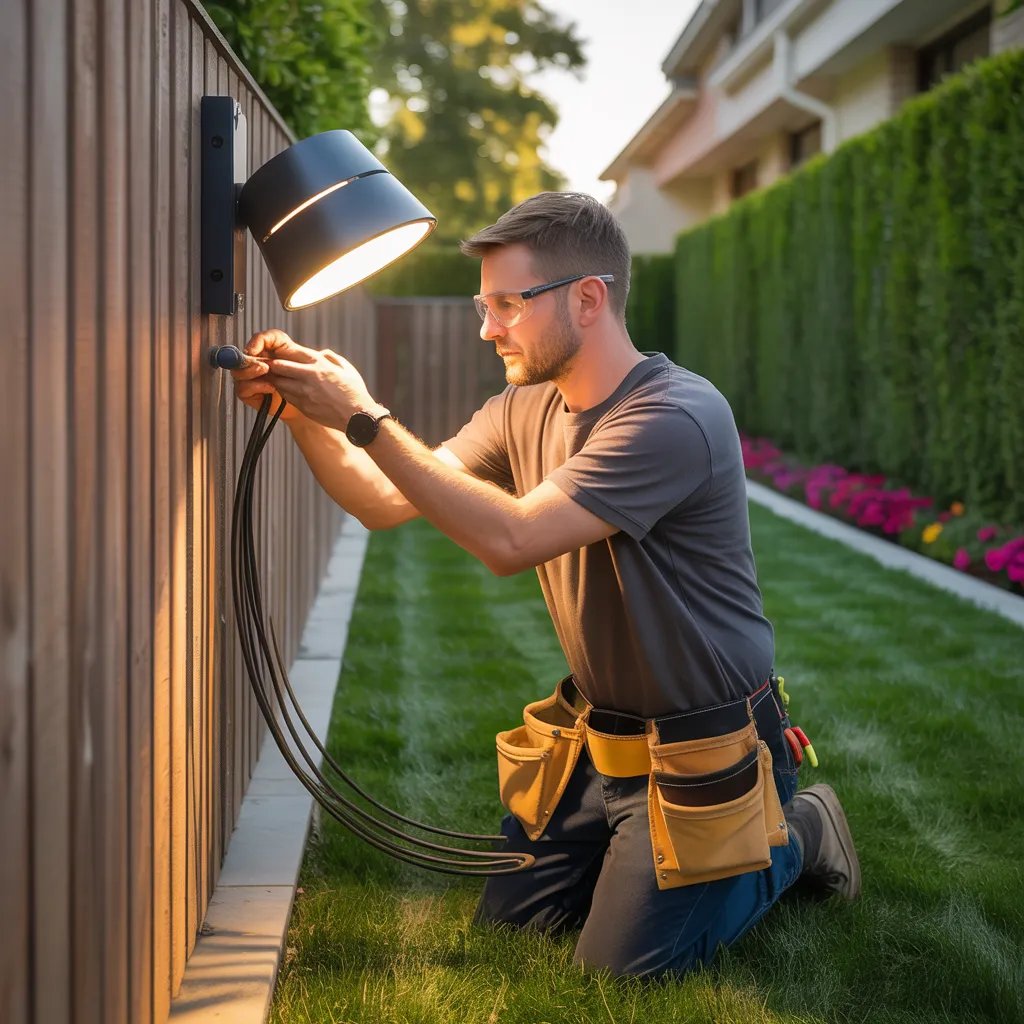
Electricians deliver an extensive array of solutions designed to address diverse home, business, and industrial requirements. They handle installations, encompassing lighting systems, outlets, and circuit breakers. Furthermore, they deliver maintenance support to ensure electrical systems function reliably and securely. Troubleshooting and repairs are another crucial aspect of their offerings, tackling concerns including damaged wiring or non-functioning appliances.
In addition, electrical contractors are skilled in enhancing existing electrical setups to support present-day requirements, including smart home technology and energy-efficient solutions. They additionally provide support for compliance with local electrical codes, confirming that installations meet safety standards. For corporate customers, services often cover bigger scope projects, such as wiring solutions for industrial sites and office spaces. All things considered, electrical contractors are indispensable in ensuring that electrical systems are reliable, safe, and up to date, meeting the individual needs of all clients.
Essential Factors for Selecting an Electrical Contractor?
When selecting an electrical contractor, two critical factors come into play: experience and qualifications, along with licensure and insurance standards. A contractor's expertise often reflects their ability to handle various electrical tasks safely and effectively. Verifying appropriate licensing and insurance coverage not only shields the homeowner from liability but also confirms the contractor's authenticity and commitment to professionalism.
Professional Experience and Credentials
Picking an electrical contractor involves careful consideration of their qualifications and experience, which are vital signs of competence and dependability. A contractor with extensive experience is generally familiar with a wide range of electrical systems and challenges, enabling more effective problem-solving. Furthermore, reviewing a contractor's credentials, such as their training and certifications, can offer a glimpse of their familiarity with current industry practices and advancements. Experienced contractors are also better equipped to anticipate potential challenges and deliver effective remedies, ensuring a smoother project completion. In the end, selecting a contractor who exhibits both experience and pertinent credentials can significantly influence the safety and quality of electrical work, building trust and confidence in the work delivered.
Licensing and Insurance Prerequisites
Licensing and insurance considerations hold a significant place in the selection of an electrical contractor, as they ensure adherence to local codes and regulations and provide protection for both the contractor and the homeowner. Contractors need to maintain the correct licensing credentials, which showcase their expertise and adherence to safety guidelines. This ensures high-quality work while preventing possible legal complications. Furthermore, sufficient insurance shields clients from financial exposure resulting from accidents or damages throughout the project. Customers should validate a contractor's credentials by reviewing their licensing and insurance records. By focusing on licensed and insured contractors, clients gain greater confidence in their decision, ensuring that all electrical work is completed safely and efficiently.
What to Anticipate During Electrical Installation
Throughout the electrical installation process, a comprehensive pre-installation assessment is essential to confirm all criteria are fulfilled. This approach helps identify possible obstacles and facilitates thorough planning. Furthermore, strict safety protocols are implemented to protect both the workers and the property throughout the installation.
Pre-Installation Inspection Process
A thorough pre-installation assessment is vital for a smooth electrical installation. The process usually starts with a thorough site inspection where the contractor assesses the existing electrical infrastructure and detects any potential obstacles. During this phase, contractors also collect information about the particular electrical requirements of the client, confirming that the suggested system meets their requirements. In addition, load calculations are performed to establish the suitable capacity and arrangement of the electrical system. The contractor may also review local codes and regulations to verify compliance. This thorough assessment not only helps in planning the installation but also serves to prevent unforeseen problems, resulting in a more efficient execution of the electrical project.
Safety Protocols In Place
Implementing robust safety protocols is essential for any electrical installation. Professional contractors emphasize building a safe worksite by complying with strict regulations. This encompasses carrying out a comprehensive risk analysis before initiating the project, guaranteeing that all workers are outfitted with the proper personal protective equipment (PPE). During installation, the contractor will enforce lockout/tagout procedures to prevent accidental energization of circuits. Routine safety meetings are held to ensure all team members are aware of possible dangers. Moreover, the worksite is continuously evaluated for conformity with local electrical codes and regulations, verifying that all installations satisfy safety benchmarks. By adhering to these guidelines, contractors significantly minimize the likelihood of accidents, providing a more secure environment for both employees and property owners.
The Top 5 Electrical Repairs You Need to Know and Their Solutions
When homeowners encounter electrical issues, knowing the most frequent repairs can simplify the diagnostic process. A common problem involves defective outlets, typically addressed by swapping out the outlet or verifying correct wiring connections. Another typical repair concerns circuit breakers that repeatedly trip, which may necessitate checking for overloaded circuits or faulty wiring. Flickering lights can indicate loose connections or outdated fixtures, prompting replacement or detailed inspection. Additionally, power surges can damage appliances, leading to the use of surge protectors to protect equipment. In addition, unresponsive switches frequently point to defective wiring or the necessity for switch replacement, confirming that electrical circuits perform reliably. Understanding these concerns permits residents to collaborate productively with licensed electricians, enabling quicker and more precise repairs. All of these typical repairs underscores the significance of resolving electrical issues swiftly to preserve safety and efficiency throughout the residence.
Why Consistent Electrical Services Maintenance Is Essential
Consistent electrical see more services maintenance is essential for ensuring both safety and efficiency in a residential electrical system. With time, deterioration can lead to issues such as outdated components, faulty wiring, or overloaded circuits, increasing the risk of electrical fires and equipment failure. Regular inspections by certified professionals can uncover potential concerns before they worsen, facilitating timely replacements or repairs.
Furthermore, regular maintenance helps to optimize energy efficiency, helping to lower utility bills and prolong the lifespan of appliances. It also guarantees compliance with local building codes and safety regulations, shielding homeowners from potential legal liabilities. Overlooking maintenance can result in unexpected breakdowns, leading to significant inconvenience and expensive repairs. By making regular electrical services a priority, homeowners can secure their property, improve the dependability of their electrical systems, and enjoy peace of mind knowing that their electrical infrastructure is in good condition.
Advantages and Choices for Upgrading Your Electrical Systems
Overhauling electrical infrastructure offers many benefits that can significantly boost a household's safety and functionality. Improved efficiency is one of the key advantages, as advanced systems utilize state-of-the-art technology to reduce energy consumption and decrease electricity expenses. Advanced safety components, such as protective circuit breakers and surge suppressors, considerably minimize the danger of electrical fires and equipment failure.
Homeowners are also provided with enhanced electrical capacity, supporting the rising number of electronic devices and appliances in contemporary homes. This improvement enables the addition of extra outlets and dedicated circuits for major appliances, minimizing the chance of overloading current wiring.
In addition, visual enhancements can be attained through upgraded lighting fixtures and smart home technologies, enabling personalized ambiance and convenience. With various options available, including full rewiring or partial upgrades, homeowners can customize their electrical improvements to satisfy specific needs and budgets, effectively increasing the property's value.
How to Maintain Compliance With Electrical Safety Standards
Maintaining adherence to electrical safety regulations is fundamental for contractors and homeowners alike. To reach this goal, it is necessary to remain up to date on local regulations and standards, which can vary considerably. Contractors should participate in periodic certification and training programs to stay informed about the most recent standards.
Performing comprehensive evaluations preceding and subsequent to electrical work serves to uncover potential hazards. Engaging licensed specialists who possess the necessary licenses guarantees that the work adheres to established safety standards. Additionally, preserving detailed logs of each electrical job conducted creates a comprehensive account for future reference.
Routinely refreshing and reassessing safety protocols can significantly strengthen compliance, especially when updated rules are implemented. Ultimately, engaging with local authorities or electrical inspection services can provide valuable insights and guidance, confirming that all work meets regulatory requirements. By focusing on these measures, both homeowners and contractors can help create a more secure electrical setting.
Commonly Asked Questions
What Are the Signs That My Electrical System Needs an Upgrade?
Indicators that an electrical system calls for an upgrade include circuit breakers that trip frequently, intermittent flickering of lights, old or outdated electrical wiring, a lack of adequate outlets, or the incapacity to support contemporary appliances. Speaking with a professional electrician can deliver a professional assessment and recommendations.
What Credentials Should I Seek in an Electrical Contractor?
When selecting an electrical contractor, one should prioritize qualifications such as proper licensing, insurance, relevant experience, and favorable customer feedback. Certifications in safety protocols and ongoing training also indicate a commitment to quality and professionalism.
Can I Safely Carry Out My Own Electrical Repairs?
Carrying out independent wiring repairs can be risky without proper training and knowledge. Proper safety guidelines must be observed, and oversights can bring about severe outcomes. Consulting a licensed electrical professional is frequently the best course of action.
How Much Time Does an Electrical Installation Usually Take?
A typical electrical installation usually takes between a few hours to several days, depending on the complexity of the project. The size of the property and specific project requirements are key factors that considerably affect the overall timeframe.
What Are the Signs of Faulty Electrical Wiring?
Indicators of problematic wiring problems include circuit breakers that trip frequently, lights that flicker, discolored outlets, the smell of burning, or warm switches. These signs typically indicate underlying issues that require immediate professional attention to safeguard your property and well-being.